Anthropic confidentially files for IPO: Here's what it means
Stoculator
June 01, 2026 7:38PM GMT
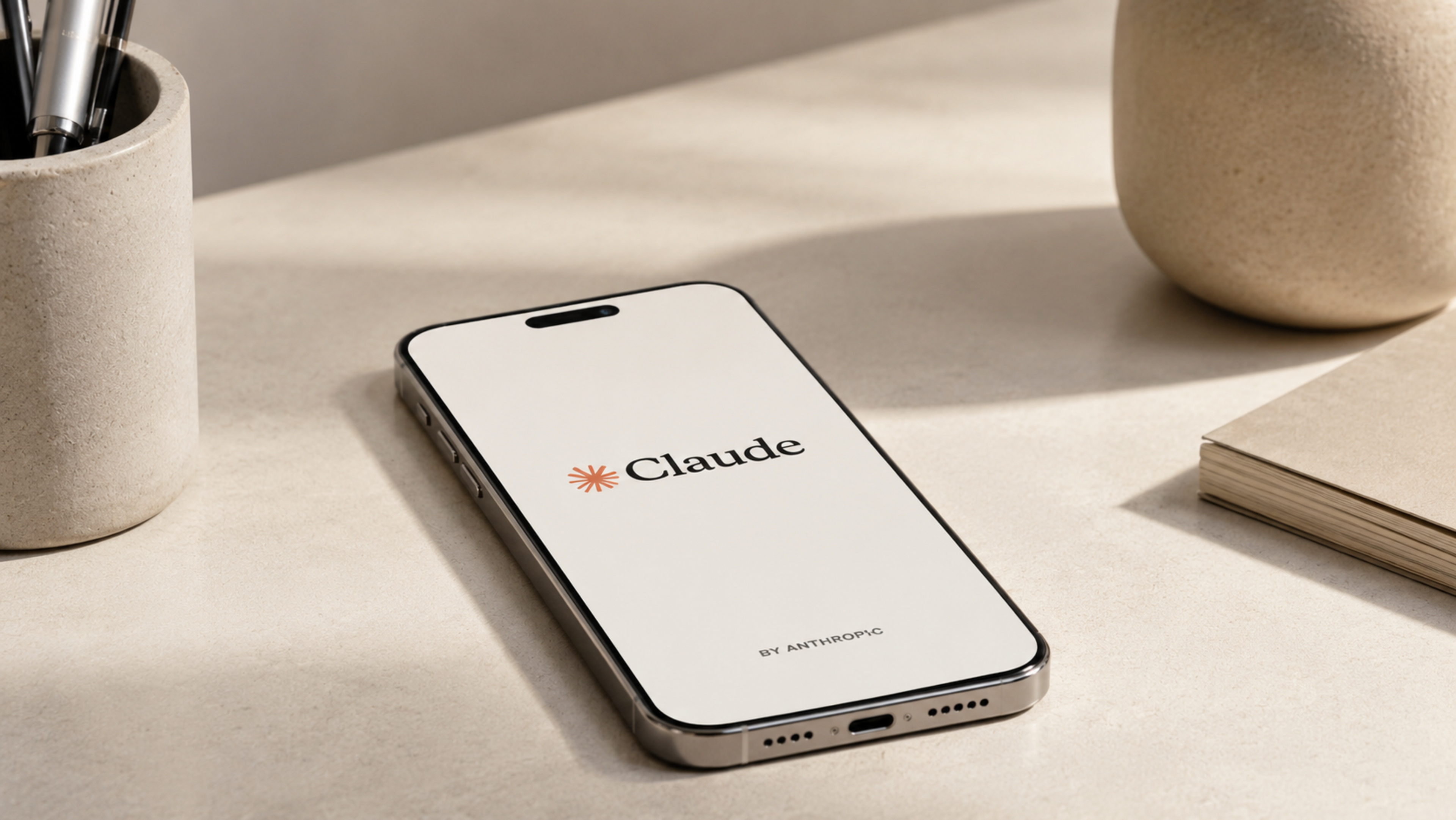
Anthropic announced today that it had "confidentially submitted a draft registration statement on Form S-1 to the U.S. Securities and Exchange Commission for a proposed initial public offering of our common stock." An S-1 is the registration document a company files with regulators before it can sell shares to the public.
The reason this one matters: Anthropic, the maker of the Claude AI models, was valued at $965 billion in late May, which puts it ahead of OpenAI. It is now the biggest name yet in a wave of artificial-intelligence companies headed toward the stock market.
What is a confidential ipo filing, and why file one this way?
A confidential draft S-1 lets a company get feedback from the SEC before any of its numbers or risk factors become visible to the rest of us. So you cannot yet see Anthropic's revenue, profit, or the list of things that could go wrong. Those details only appear later, if the company converts the draft into a public S-1.
Anthropic itself was careful about what the step commits it to. "This gives us the option to go public after the SEC completes its review," the company said, adding that "the proposed initial public offering will depend on market conditions and other factors." The number of shares and the price "have not yet been set."
When will Anthropic actually go public?
There is no date yet, and the company has not set the number of shares or a price. "The proposed initial public offering will depend on market conditions and other factors," Anthropic said, and "the number of shares to be offered and the price have not yet been set."
The usual path is that a company files a public S-1 first, and the actual IPO follows roughly 1 to 4 months after that.
Anthropic is part of a trio that could each list above $1 trillion
Three companies could go public this year at valuations north of $1 trillion: SpaceX, OpenAI, and Anthropic. That has never happened even once before. SpaceX goes first, with an IPO expected around June 12 at a valuation near $1.75 trillion on the Nasdaq, potentially the largest stock-market float in history. OpenAI is also preparing a confidential filing, and Anthropic moved ahead of it. The companies are leaning on many of the same banks, Goldman Sachs, Morgan Stanley, and JPMorgan Chase among them.
Why is this a big deal?
Founded in 2021 by people who left OpenAI, Anthropic builds Claude, a family of AI models that enterprises lean on heavily for coding and automation work. Its revenue run-rate, the annualized pace of its current sales, reached about $47 billion this year, up from roughly $10 billion in annual revenue the year before.
That valuation of $965 billion topped OpenAI, which was last valued at $852 billion in late March. The profit picture is where it gets interesting, and where you should be careful, because none of Anthropic's audited financials are public. That is the whole point of a confidential filing. What is known comes from figures the company has shared with investors: The Wall Street Journal reported, with Reuters corroborating through a person familiar with the matter, that Anthropic expects its first quarterly operating profit, around $559 million, for the quarter ending in June. That is an expectation, not a reported result, and none of the three giants has yet turned an annual profit.
Should you be excited or wary? There are real arguments on both sides
The bull case is straightforward. Anthropic has scale, it is nearing profitability, and that stands in contrast to its peers. OpenAI is projected to lose about $14 billion in 2026, nearly triple earlier estimates. SpaceX posted a net loss of $4.28 billion in its latest quarter, and its own filing warns it "has a history of net losses and may not achieve profitability in the future."
The bears are not convinced the timing is a coincidence. "I see it as a market top," John Blank, chief equity strategist at Zacks, told CNBC's Squawk Box Europe. "Everybody knows the top is pretty close to being around and usually it is advertised by these giant IPOs. Back in 1999, we saw the same kind of thing where people were just rushing to get these IPOs out."
The other worry is whether the underlying businesses actually work. "If OpenAI and Anthropic can't make money, this whole thing falls apart," said William de Gale, portfolio manager at BlueBox Asset Management, in comments to CNBC. Adrian Cox, a thematic research strategist at Deutsche Bank, wrote in a note that "it has yet to be seen how public markets will value OpenAI and its peers once they open up their financial statements to scrutiny and explain the still little-understood economics of their business models."
There is also a question of sheer size. Gené Teare, research lead at Crunchbase, told Fortune that "there's going to be a huge appetite for these companies should they list," but warned they are "so huge, and they're very much outliers," and could "suck a lot of the money and energy out of the room."
What happens next
The document to watch is Anthropic's public S-1. That is where the real financials and risk factors will appear, and it is what will decide how the market actually values the company. Before then, SpaceX's IPO around June 12 will be the first live test of how much appetite investors really have.